
For a long time, I struggled to understand how I could be so aware of my patterns in relationships and still feel completely overtaken by them in the moment. I wasn’t unaware. I knew when I was overthinking, when something didn’t fully make sense, and when my fears didn’t match reality. But that awareness didn’t stop anything.

Because for me, it was never really about the thoughts.

A lot of what we’re taught, especially in therapy models like CBT, is that our thoughts create our feelings, and then our feelings drive our actions. But that wasn’t my experience. If anything, it felt reversed.

It started with a feeling.

And once that feeling showed upespecially feareverything else followed.

There were moments where I didn’t even have time to think. The feeling would come first, and my body would immediately want relief from it. Not understanding. Not logic. Just relief.

And that’s where my behavior came from.

I didn’t ask questions because I didn’t know the answers. I asked because I needed to feel okay again. Reassurance wasn’t about changing my thoughtsit was about changing how I felt. The moment I heard what I needed to hear, the feeling would calm down. It was almost immediate.

Like a form of relief I couldn’t create on my own yet.

And because of that, I kept going back to it.

Looking back, the part that’s hardest to admit is that I wasn’t lacking love.

I was with someone who showed up. Someone consistent, reassuring, and emotionally available. He gave me love freelywithout me having to earn it, prove myself, or compete for it.

And that was something I didn’t know how to trust.

Because my entire understanding of love had been built on the idea that it had to be earned.

Growing up, love didn’t feel unconditional. It felt tied to achievement. It meant getting straight A’s. Getting into college. Earning scholarships. Being recognized. Doing everything right so that I could be seen as worthy.

That’s what love looked like to me.

So when I was finally in a relationship where someone chose me without requiring any of that, it didn’t feel secure. It felt unfamiliar. And because it felt unfamiliar, it felt temporary.

I believed that as easily as that love was given to me, it could just as easily be taken away.

I hadn’t earned itso how could I trust that it would stay?

That belief changed everything.

I didn’t just receive loveI questioned it. I needed reassurance repeatedly, not because I didn’t understand what was happening, but because I didn’t trust that it would continue. I would look for shifts in behavior, analyze small changes, and sometimes test the relationship without fully realizing that’s what I was doing.

Not because I wanted to push someone away, but because I needed to know if they would stay.

And in the beginning, they did.

They reassured me. They showed up. They tried to make me feel safe. But over time, something shifts. Reassurance turns into exhaustion, and patience turns into confusion. The same consistency that once felt grounding starts to feel like it’s not enough.

And eventually, the dynamic changes.

And when it does, it reinforces the belief that was there from the beginningthat they weren’t going to stay.

A self-fulfilling pattern.

Not because I wanted it to end, but because I never believed it would last.

This is something I’ve come to understand more deeply in the context of Borderline Personality Disorder, but it’s not exclusive to it. A lot of people experience this when they’re anxious in relationships. For me, having a disorganized attachment style meant I could fall on both sidessometimes needing closeness, sometimes pulling awaydepending on the situation and the person.

I’ve also been on the other side of this.

I’ve experienced what it feels like to be with someone who needs constant reassurance, and it can feel overwhelming. It can feel like nothing you do actually lands. And sometimes, that need for reassurance turns into controlnot because someone wants to control you, but because they’re trying to control the possibility of being hurt.

But instead of creating safety, it creates distance.

And that’s where accountability comes in.

Because while our reactions come from real experiences, they don’t always reflect the reality of the person in front of us. We’re often responding to something from our past, not something that is actually happening in the present.

Understanding that doesn’t excuse the behaviorbut it does explain it.

And explanation is what allows change.

For a long time, I lived in extremes. My emotions felt so intense in the moment that they would take priority over everything else. Not because I didn’t care about the other person, but because I hadn’t learned how to sit with those emotions without immediately trying to get rid of them.

That’s the difference for me now.

I’m not trying to eliminate the feeling.

I’m learning how to not act on it immediately.

Because relationships don’t create these patternsthey reveal them. The parts of us that feel reactive or overwhelmed were always there. They just didn’t show up until something triggered them.

And if we don’t take accountability for that, nothing changes. We repeat the same cycles with different people, often drawn to the same dynamics, until those patterns no longer feel familiar.

For me, that shift has meant redefining what love actually looks like.

I used to associate love with intensityemotional highs and lows, unpredictability, and the need to prove something. I thought peace meant something was missing.

Now I understand that peace is exactly what I was missing.

I don’t want to chase. I don’t want to question. I don’t want to feel like I have to prove that I’m worthy of being chosen.

I want consistency. I want effort that feels natural. I want to feel calm, not constantly activated.

And more than anything, I’m learning that I don’t have to prove that someone will stay.

I have to believe that I’m worthy of someone who does.

That doesn’t mean I’ve figured it all out. It just means I’m learning how to sit with uncertainty without trying to fix it immediately.

And for the first time, that feels like real change.

It was never about whether they would stay… it was about whether I believed I was worth staying for.
For a long time, I struggled to understand how I could be so aware of my patterns in relationships and still feel completely overtaken by them in the moment. I wasn’t unaware. I knew when I was overthinking, when something didn’t fully make sense, and when my fears didn’t match reality. But that awareness didn’t stop anything. Because for me,

She doesn’t know it yet, but the career she cried for, studied for, sacrificed for… the one she dreamed about as a little girl for eight years… is about to break her heart.

Not because she stopped loving it.

Not because she wasn’t good at it.

But because someone in power decided to crush the very thing that gave her life meaning.

It wasn’t the students. It was never the students.

It was the system. The administration. The people who chose silence and self-preservation over integrity.

Teaching was never just a job to her. It was a calling. Her identity. Her safe space. The place where she could pour her heart into something bigger than herself and know it mattered. She built a life out of passion and principle… and now it’s being taken apart piece by piece by a man who thrives off control.

He doesn’t protect his teachers. He doesn’t trust them. He manipulates them. He pits staff against each other, creates tension, and watches it play out from behind his office door like a game.

He sends his administrators to do his dirty work… never directly, of course. That’s not how people like him operate. They use fear. They use subtle pressure.

The truth is, there are people who’ve tried to speak up. Teachers who saw the same injustices, felt the same pain… but after being retaliated against, they backed down. Now they won’t even let their names be mentioned. They’re quiet, they’re cooperative, they’re back on his good side. That’s not strength. That’s survival. And while I understand the fear—God, I understand it—it’s not bravery. It’s not change.

It’s submission.

And that’s what breaks me the most. Because it mirrors something so much bigger.

What’s happening in our little school is just a reflection of what’s happening in this country. We have a leader who breaks rules, who bulldozes over basic rights, who uses fear and division as tools of power… and people still support him. People still stay silent. People still say yes when everything inside them is screaming no.

That’s what this principal has created here. A mini dictatorship. A culture where no one pushes back. Where administrators are yes people. Where no one holds him accountable, even when he harasses or retaliates or undermines teachers in front of their students. They’d rather pressure one person until she breaks than risk standing up for what’s right.

And I’ve had enough.

When I walk away, don’t say I’m leaving the kids. I’m not.

I’m leaving the fear.

I’m leaving the gaslighting.

I’m leaving the silence that screams louder than any voice ever could.

Because I still believe in truth. I still believe in standing up, even when my knees shake. I still believe that when something is unjust, you don’t close your eyes and pretend not to see it… you speak. You act. You fight.

And if I have to do it alone…

I still will.

Some flowers bloom in defiance… not because the soil was kind, but because they refused to die in it.

Nikita Gill

She doesn’t know it yet, but the career she cried for, studied for, sacrificed for… the one she dreamed about as a little girl for eight years… is about to break her heart. Not because she stopped loving it. Not because she wasn’t good at it. But because someone in power decided to crush the very thing that gave her

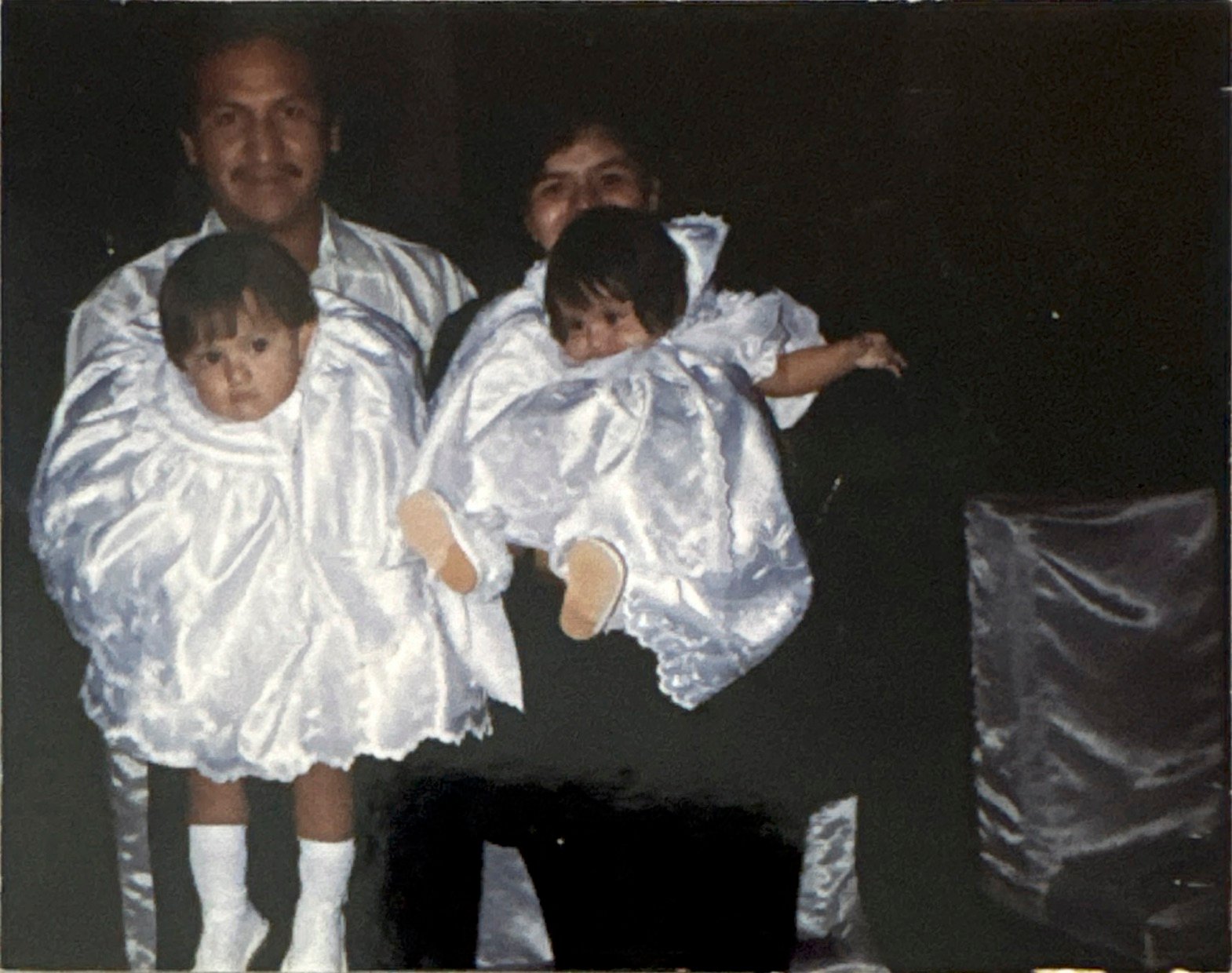
I grew up believing that my father left me. Not just my mom—but me. And that truth became my foundation. What I didn’t understand then was that it may have been my mother’s way of protecting us. Maybe she needed us to hate him, to stay away from him. Maybe it was her armor—her way of shielding us from harm we couldn’t yet understand. What she never saw was the ripple effect it would have on my sister and me. How that protection would later feel like abandonment from both sides.

My mother raised my younger brothers differently. It always felt like they were treated with a little more softness, more warmth. Maybe it was because they were boys, and she knew how hard the world would be for girls like us. Or maybe she just evolved—became a better parent by the time they came along. And I don’t hold that against her. My brothers are good men. She must’ve done something right.

But the wall I built? It didn’t just go up around friends. It showed up in my classroom too. I kept my distance—not because I didn’t care, but because I did. Deeply. I was terrified of crossing any lines, of having my intentions questioned, of anything jeopardizing what I loved: teaching. So I stayed safe. Behind a boundary.

I was four years old when my father kicked us out. I still remember the steps of that two-story house. The sound of his voice. The night air. My mom, my sister, and me. It wasn’t a dream—I’ve confirmed that with my mom. And yet, it feels surreal that someone could do that to a child. Could you not wait until the morning? Until it was safe?

Everyone said he died. That was the story. But when I turned 18, I found out he wasn’t dead at all. He had remarried. Had a whole new life. No more children, though. Maybe that was fate. A quiet reckoning. I don’t know anything about the man he became, and I’m not sure I want to.

But when it hurts—and it still does sometimes—it makes me grateful for the mom I have. Even if she couldn’t always protect me. Even if she didn’t believe me when I was hurt. Maybe it wasn’t that she didn’t believe me. Maybe she couldn’t. Because to believe me would mean acknowledging that she let danger into our home. That she failed to protect me. And I don’t think she’s ready to carry that.

But she didn’t abandon me. She didn’t leave me. She took us with her, even when it would’ve been easier not to.

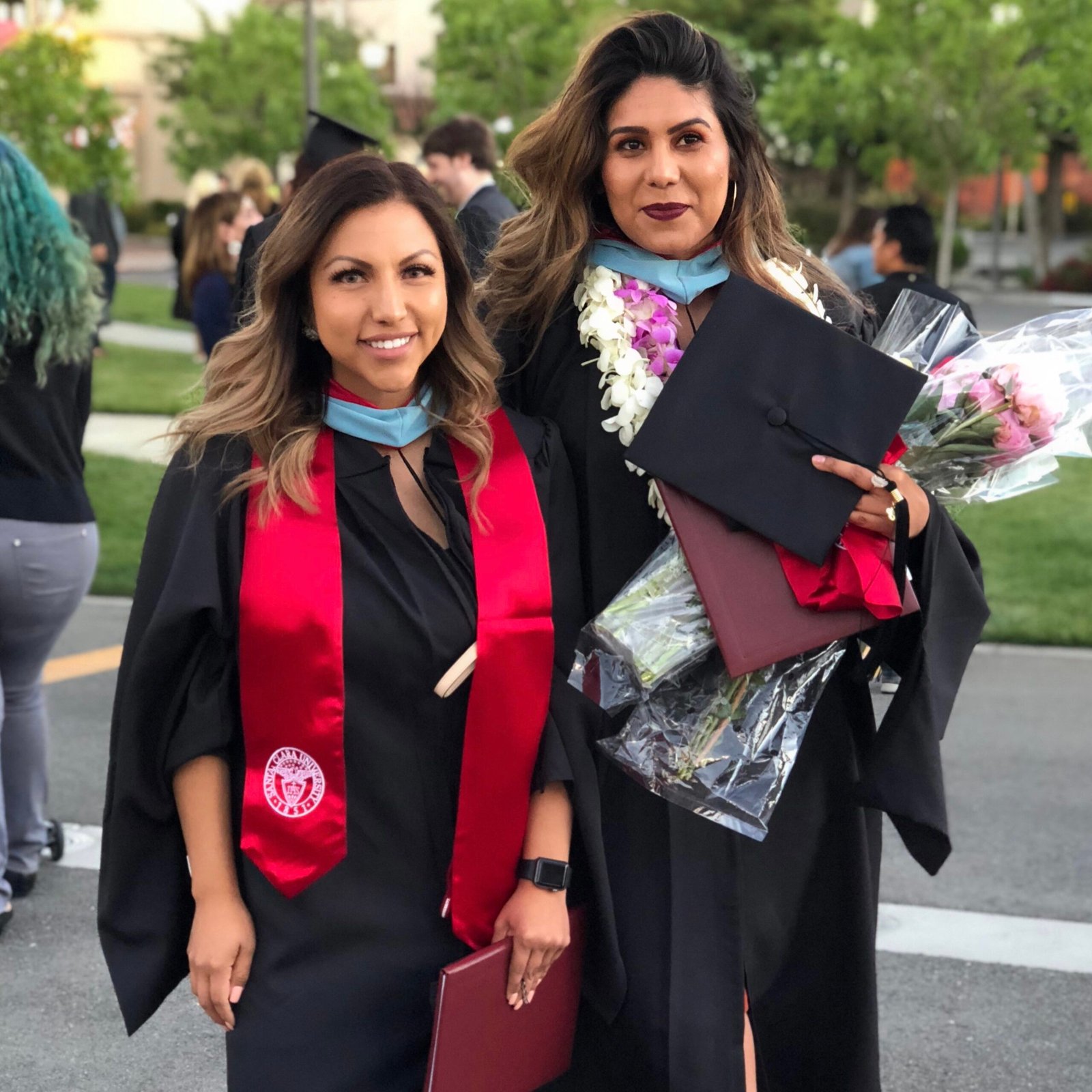
I chased education because it was the only thing no one could take from me. It became my armor. My lifeline. My rebellion against dependence. I wanted to be a teacher since I was a little girl. And I fought hard for it. Took time off. Got my credential. My master’s. Kept going, even when I felt like quitting. I found joy in it—especially in those two golden years at the high school level.

But then I transferred—hoping to be closer to my kids, hoping the change would be good. And it wasn’t. The students, the environment, the admin—it all slowly unraveled me. Until I had nothing left to give. And that’s okay.

Because at 33, I’ve realized it’s braver to start over than to stay somewhere that’s killing your spirit.

This isn’t the end of my story. It’s the rebirth of it.


Your calling will keep tugging at you, even when you try to walk away. And if you don’t listen, the universe will rearrange your life until there’s no choice but to follow it.

Germany Kent

I grew up believing that my father left me. Not just my mom—but me. And that truth became my foundation. What I didn’t understand then was that it may have been my mother’s way of protecting us. Maybe she needed us to hate him, to stay away from him. Maybe it was her armor—her way of shielding us from harm